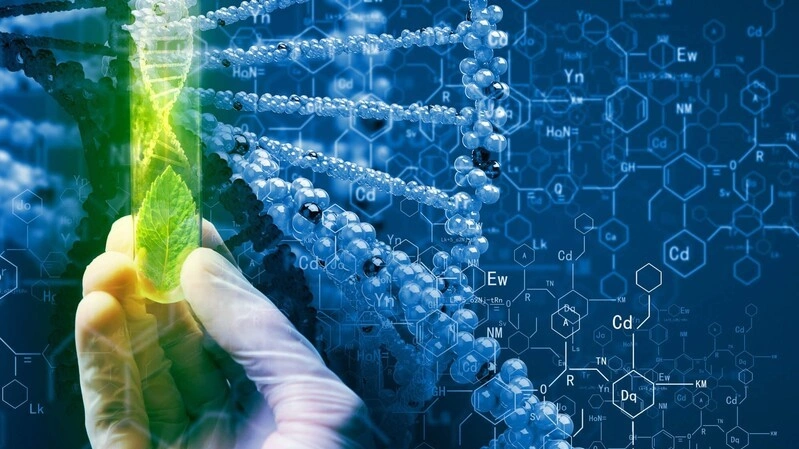
Это прикладное направление, появившееся на стыке биологии и техники наиболее актуально сегодня, является ведущим направлением во многих странах и решает глобальные проблемы человечества и промышленности в целом.
Чему Вас научат
Основы молекулярной биологии и генетики — изучение структуры и функции ДНК, РНК и белков, а также механизмов наследования и генетической модификации.
Методы генной инженерии — изучение технологий редактирования генов, таких как CRISPR, и их применение для создания генетически модифицированных организмов.
Разработка и производство биопродуктов — изучение технологий создания вакцин, антибиотиков, ферментов и других биопродуктов.
Микробиология и биохимия — понимание жизнедеятельности микроорганизмов, их роли в экосистемах и биохимических процессов, происходящих в клетках.
Кем работают выпускники?
Биотехнолог в пищевой промышленности занимается тем, что контролирует качество выпускаемой продукции. Следит за последовательностью процесса приготовления продуктов. Разрабатывает рецептуру производства товаров и следит за состоянием оборудования, а также температурным режимом в производственных помещениях. Работать биотехнолог пищевой промышленности может на любых предприятиях, занимающихся производством продуктов питания.
Проходной балл на бюджет
2024
155
2023
124
2022
171
Вступительные испытания
Экзамен 1 из 6
Русский язык
Экзамен 2 из 6
Математика
Экзамен 3 из 6
Биология
Экзамен 4 из 6
Информатика
Экзамен 5 из 6
Физика
Экзамен 6 из 6
Химия
Другие наши программы подготовки
Привет!Пообщаемся?Задавай вопросы!Отвечу на любой вопрос!Есть вопросы?Спрашивай!Остались вопросы?Готов помочь!Буду рад помочь!Жми на меня!